
Technologies in Automotive Industry: Modern Auto Trends
Technology is changing every industry in today’s world. We use smart systems in banking, healthcare, education, and shopping. These tools make work faster, easier, and more efficient. Businesses are growing because of automation and digital innovation. This clearly shows how important technology has become in our daily lives.
The automotive industry is also changing very fast. Cars are no longer just machines; they are becoming smart and connected systems. Today, technology in car industry is improving safety, comfort, and performance.
In this guide, I will personally explain the best technologies in automotive industry so you can understand the car industry future in a simple way.
Technologies in Automotive Industry
The automotive world is evolving with many new innovations. These changes are improving how cars are built and how people use them.
Below are the top automotive technology trends shaping modern vehicles:
- Electric Vehicles (EVs)
- Autonomous Driving Systems
- Connected Cars
- Artificial Intelligence in Vehicles
- Advanced Driver Assistance Systems (ADAS)
- Vehicle-to-Everything (V2X)
- Blockchain Technology
- 3D Printing
- Augmented Reality Dashboards
- Smart Sensors and IoT
- Hydrogen Fuel Vehicles
- Shared Mobility
Let me explain each in a simple and practical way.
1. Electric Vehicles (EVs)
Electric vehicles are one of the most important future automotive technologies. These cars run on electricity instead of petrol or diesel, which reduces pollution. I personally think EVs are a smart option for long-term savings. Many countries are investing in charging stations and battery improvements. EVs are becoming more affordable and practical for daily use. This clearly shows the growth of automotive future technology.
Key features and tools:
- Lithium-ion batteries
- Fast charging stations
- Battery management systems
- Regenerative braking
- Mobile charging apps
2. Autonomous Driving Systems
Autonomous cars are a major part of future vehicle technology. These cars can drive without human input using cameras and sensors. They can detect roads, traffic, and obstacles in real time. I believe this will reduce accidents caused by human mistakes. It will also make long driving easier and less stressful. This is one of the most exciting future car technologies.
Technologies used:
- LiDAR sensors
- AI driving software
- Radar detection systems
- GPS mapping tools
- Computer vision systems
3. Connected Cars
Connected cars use internet technology to stay updated and connected. You can control some car features using your smartphone. For example, you can lock/unlock doors or check vehicle location. I personally find this very useful for daily convenience. These features improve safety and user experience. That is why they are growing in car technology trends.
Connected features:
- Mobile control apps
- Real-time GPS tracking
- Remote engine start
- Cloud data systems
- Vehicle alerts and notifications
4. Artificial Intelligence in Vehicles
AI is making cars smarter and easier to use. It helps with voice commands, navigation, and system automation. AI can also detect problems before they happen. I think this saves time and avoids sudden breakdowns. Many modern cars now include smart assistants. This shows strong growth in automotive industry technology trends.
AI applications:
- Voice assistants
- Smart navigation
- Driver behavior tracking
- Predictive maintenance
- Traffic analysis systems

5. Advanced Driver Assistance Systems (ADAS)
ADAS helps drivers stay safe on the road. It gives alerts and sometimes controls the car in emergencies. I personally think this is very helpful, especially for beginners. These systems reduce stress while driving. They also improve overall road safety. This is one of the top new trends in automobile.
ADAS features:
- Lane departure warning
- Automatic braking
- Adaptive cruise control
- Blind spot detection
- Parking assist systems
6. Vehicle-to-Everything (V2X)
V2X allows cars to communicate with other vehicles and road systems. This helps avoid accidents and manage traffic better. For example, your car can warn you about traffic or road danger. I believe this will improve city driving a lot. It makes transportation smarter and safer. This supports the car industry future.
V2X systems:
- Vehicle-to-vehicle alerts
- Smart traffic signals
- Road safety notifications
- Data sharing networks
- Traffic management systems

7. Blockchain Technology
Blockchain helps keep vehicle data secure and transparent. It stores ownership records and service history safely. I think this is very useful when buying or selling cars. It builds trust between buyers and sellers. It also reduces fraud in the market. This is becoming important in technologies in automotive industry.

Blockchain uses:
- Digital ownership records
- Secure service history
- Smart contracts
- Fraud prevention systems
- Supply chain tracking
8. 3D Printing
3D printing helps companies create car parts quickly. It is useful for testing designs and making custom parts. I believe this saves time and cost in manufacturing. It also allows unique designs for special vehicles. Many companies are already using it. This supports innovation in the automotive sector.
Applications:
- Custom parts production
- Rapid prototyping
- Lightweight components
- Design testing
- Spare parts printing
9. Augmented Reality Dashboards
AR dashboards show important information on the windshield. You can see speed, navigation, and alerts without looking down. I personally think this improves safety a lot. It keeps your eyes on the road. It also makes driving more comfortable. This is a growing part of automotive technology trends.
AR features:
- Heads-up display (HUD)
- Navigation overlays
- Speed indicators
- Warning alerts
- Smart dashboard visuals
10. Smart Sensors and IoT
Smart sensors collect real-time data from the car. They help monitor engine, tires, and performance. I think this helps avoid unexpected issues. These sensors improve safety and efficiency. They are used in almost all modern cars today. This is a key part of future vehicle technology.
Sensor tools:
- Tire pressure sensors
- Engine monitoring systems
- GPS trackers
- Fuel sensors
- Temperature sensors
11. Hydrogen Fuel Vehicles
Hydrogen cars use clean energy and produce no pollution. They release only water as waste. I believe this is a strong future alternative to EVs. They also offer faster refueling time. Many companies are testing this technology. It is part of future automotive technologies.
Hydrogen features:
- Fuel cell systems
- Hydrogen tanks
- Clean energy engines
- Fast refueling
- Zero emissions
12. Shared Mobility
Shared mobility allows people to use cars without owning them. Services like ride-sharing and rentals are becoming popular. I think this is great for saving money and reducing traffic. It also helps the environment. Many cities are adopting this model. It reflects changes in technology in car industry.
Mobility options:
- Ride-sharing apps
- Car rental platforms
- Subscription cars
- Fleet systems
- On-demand transport services
Future Scope of Automotive Industry Technology
The future of the automotive industry looks highly advanced and technology-driven. Companies are focusing on automation, sustainability, and smart mobility solutions. The integration of AI, IoT, and clean energy systems will redefine transportation.
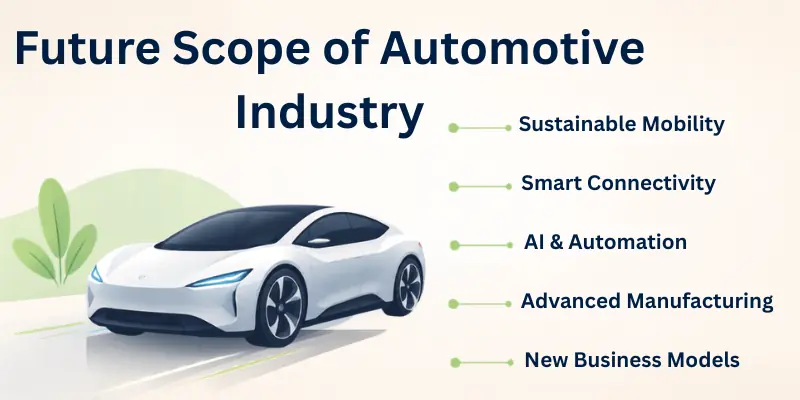
Key future developments include:
- Fully autonomous vehicles
- Smart city integration
- AI-powered traffic systems
- Sustainable energy vehicles
- Advanced safety systems
These developments highlight the importance of future car technologies and their role in shaping mobility.
Smart Car Buying in Modern Time: Example
Technology is also changing how we buy cars today. People now search online before making decisions.
For example, many users look for cheap used cars for sale in Dubai using online platforms. I personally recommend checking reviews and history reports. This helps avoid bad deals. Digital tools make car buying easier and smarter.
Buying tips:
- Compare prices online
- Check vehicle history
- Use trusted platforms
- Read user reviews
- Inspect before purchase
Conclusion
In this guide we have covered technologies in automotive industry with great detail. These innovations are making vehicles smarter, safer, and more efficient.
My personal advice is to stay updated with these changes. The automotive future technology is growing very fast, and it will shape how we travel in the coming years. If you understand these automotive industry technology trends, you will be ready for the car industry future.
Thanks for reading. Don’t forget to check FAQs if you need quick answers!
FAQs
Here are some of the most frequently asked questions related to technologies in automotive industry:
Technologies in automotive industry are modern tools and systems used to improve vehicles. These include AI, electric engines, smart sensors, and connected systems. They help make cars safer, faster, and more efficient.
Automotive technology trends are important because they improve safety, reduce fuel usage, and enhance driving experience. These trends also help companies build smarter and eco-friendly vehicles.
Some examples of future automotive technologies include self-driving cars, electric vehicles, hydrogen fuel systems, and AI-powered navigation. These technologies aim to improve safety and reduce environmental impact.
Intelligent navigation, voice control, and real-time alerts are some of the features that are being added to automobiles as a result of technological advancements. People who use these tools find that driving is simpler, safer, and more comfortable as a result.
Future car technologies focus more on automation, AI, and clean energy compared to current vehicles. Modern cars are smart, but future cars will be more independent and fully connected systems.
The automotive industry makes use of technology in a variety of areas, including navigation, engine control, safety systems, and entertainment features. In order to enhance both performance and driver safety, modern vehicles are equipped with sensors and software.
Innovation drives new trends in automobile by introducing better safety features, electric engines, and smart systems. It helps companies compete and meet modern customer needs.
Autonomous, connected, and environmentally friendly vehicles will be made possible by future automotive technology, which will impact the transportation industry. Accidents will be reduced, and traffic systems will be improved as a result.
Artificial intelligence (AI) systems, Internet of Things (IoT) sensors, autonomous driving tools, and digital dashboards are all examples of future vehicle technology. By combining these technologies, we can create vehicles that are more intelligent.
The car industry future will depend on electric vehicles, automation, and smart mobility solutions. Automotive industry technology trends will continue to evolve and shape modern transportation systems.
- ✔ Be Respectful
- ✔ Stay Relevant
- ✔ Stay Positive
- ✔ True Feedback
- ✔ Encourage Discussion
- ❌ Avoid Spamming
- ❌ No Fake News
- ❌ Don't Copy-Paste
- ❌ No Personal Attacks