
How to Improve Focus and Concentration in the Digital Age
Life today moves fast. Notifications, emails, and endless apps constantly demand our attention. It is easy to feel distracted and mentally exhausted. Learning how to improve focus and concentration in the digital age can transform your productivity and mental clarity.
With the right strategies, you can regain control over your attention and work efficiently without feeling overwhelmed.
How to Improve Focus and Concentration in the Digital Age
Focus is a skill, not a talent. It can be trained and strengthened. The digital world makes concentration harder, but with structured habits, anyone can improve.
Key ways to improve focus:
- Create a distraction-free environment
- Manage your time effectively
- Limit digital distractions
- Practice mindfulness and meditation
- Exercise regularly
- Eat brain-boosting foods
- Get enough sleep
- Set clear goals
- Take regular breaks
- Practice single-tasking
Let us cover all these in detail.
1. Create a Distraction-Free Environment
Your surroundings influence your mental focus more than you realize. A cluttered desk or noisy room makes your mind wander.
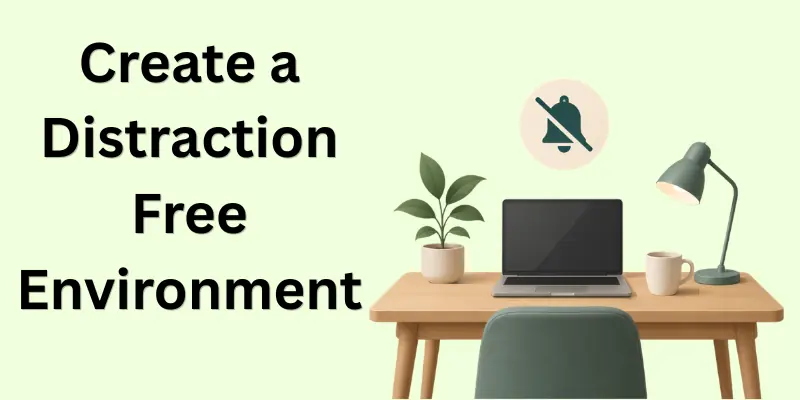
Steps to create a distraction-free environment:
- Keep your desk clean and organized. Remove unnecessary papers or gadgets.
- Work in a quiet, well-lit space. Natural light helps alertness.
- Use noise-canceling headphones or play music for focus on Spotify to improve concentration.
- Turn off notifications for apps or devices that are not necessary.
- Keep your phone in another room or on silent mode during work sessions.
A tidy environment reduces mental clutter. Noise, unnecessary items, or visual distractions split your attention. When you remove these distractions, your brain can focus fully. Even small changes, like keeping your desk minimal or silencing notifications, improve concentration significantly.
2. Manage Your Time Effectively
Poor time management often leads to mental fatigue. Without structure, your attention drifts and tasks pile up.
Ways to manage your time effectively:
- Use the Pomodoro technique: 25 minutes of focused work, 5 minutes of break.
- Break large tasks into smaller, manageable chunks.
- Prioritize tasks by urgency and importance.
- Set clear daily goals and review them each morning.
- Avoid multitasking; focus on one task at a time.
Time-blocking helps your brain concentrate in short, intense bursts. Smaller tasks feel less overwhelming and give you a sense of accomplishment. When you focus on one priority at a time, you finish faster and feel less stressed. Effective time management builds a routine that strengthens concentration.
3. Limit Digital Distractions
Digital distractions are the biggest threat to focus today. Social media, constant notifications, and emails can fragment attention.
Ways to limit digital distractions:
- Install website or app blockers during work hours.
- Turn off push notifications on your phone.
- Set specific times to check emails or messages.
- Silence non-essential alerts.
- Keep your phone in another room when deep focus is needed.
Every notification interrupts your thought process. Your brain takes time to recover after a distraction, sometimes up to 20 minutes. By controlling digital interruptions, your mind can stay fully present. Scheduling specific times to check messages reduces stress and enhances productivity.
4. Practice Mindfulness and Meditation
Mindfulness strengthens attention. Meditation trains your brain to stay in the present moment.
Ways to practice mindfulness:
- Meditate for 10–15 minutes daily.
- Focus on breathing or body sensations.
- Use guided meditation apps if you are new to practice.
- Observe thoughts without judgment and gently bring focus back.
Meditation develops the brain’s “attention muscle.” It teaches you to notice distractions and return to the task at hand. Mindfulness reduces stress, improves mental clarity, and enhances memory. Even a short daily practice improves your ability to concentrate over time.
5. Exercise Regularly
Your physical health impacts mental focus. Exercise improves blood flow, alertness, and overall brain function.
Ways to exercise for better focus:
- Do 20–30 minutes of cardio daily.
- Include strength training twice a week.
- Take short walks or stretch breaks during work.
- Try yoga or light stretching to reduce mental and physical tension.
Exercise releases endorphins, which increase energy and motivation. Regular movement reduces fatigue and improves mood, making it easier to concentrate. Short walks or stretches during breaks also reset your mind and prevent burnout.

6. Eat Brain-Boosting Foods
Your diet fuels your brain. Poor nutrition leads to fatigue and reduced focus.
Foods that improve focus:
- Fatty fish like salmon or mackerel for omega-3.
- Nuts and seeds for healthy fats.
- Fruits and vegetables for antioxidants.
- Whole grains for steady energy.
- Drink plenty of water to stay hydrated.
Omega-3 fatty acids support brain function and memory. Antioxidants reduce stress on brain cells. Staying hydrated prevents mental fatigue. A balanced diet gives you the energy needed to stay sharp and alert throughout the day.
7. Get Enough Sleep
Sleep restores the mind and body. Without it, focus declines rapidly.
Ways to improve sleep:
- Aim for 7–9 hours of sleep each night.
- Keep a consistent bedtime and wake-up schedule.
- Avoid screens at least one hour before sleeping.
- Make your sleeping environment dark, quiet, and cool.
Sleep consolidates memory and restores energy. One poor night of sleep can reduce concentration, memory, and decision-making ability. A regular sleep routine strengthens the brain’s ability to focus consistently.
8. Set Clear Goals
Goals direct your mind. Without them, your focus drifts.
Ways to set clear goals:
- Write daily, weekly, and monthly priorities.
- Break large projects into smaller tasks.
- Track progress to stay motivated.
- Celebrate small accomplishments to reinforce focus.
Clear goals reduce mental clutter and decision fatigue. When your brain knows exactly what to focus on, attention improves naturally. Small steps make large projects manageable and boost confidence.

9. Take Regular Breaks
Working non-stop drains your brain. Breaks restore mental energy.
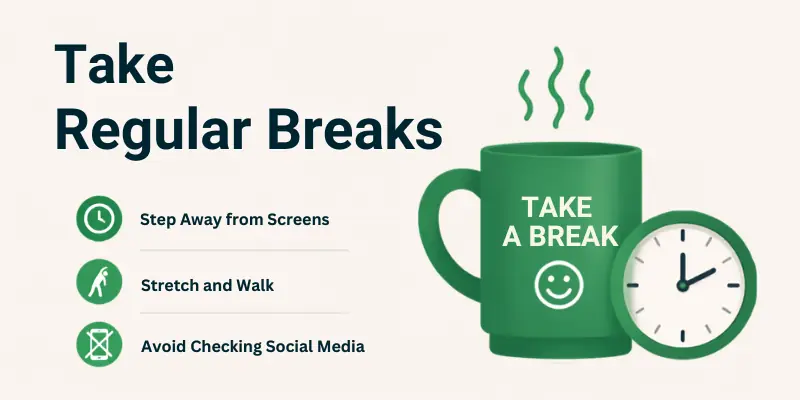
Ways to take effective breaks:
- Step away from screens every 60 minutes.
- Stretch, walk, or drink water during breaks.
- Avoid checking social media during breaks.
Short breaks prevent burnout and restore focus. Even five minutes of stretching or walking increases alertness. Pausing regularly maintains consistent productivity and prevents mental fatigue.
10. Practice Single-Tasking
Single-tasking is more effective than multitasking. Focusing on one task improves speed and quality.
Ways to single-task:
- Close unrelated apps and browser tabs.
- Set timers for focused work sessions.
- Batch similar tasks together.
Your brain performs best when focused on one thing. Single-tasking increases efficiency and reduces stress. Over time, it strengthens your brain’s ability to concentrate for longer periods.
What to Avoid: Discover All
Knowing what not to do is just as important as practicing good habits. Avoiding these pitfalls protects your focus.
Things to avoid:
- Constant multitasking
- Excessive social media scrolling
- Skipping sleep or poor sleep habits
- Overworking without breaks
- Cluttered or noisy workspace
- Checking emails constantly
- Unhealthy diet or dehydration
Multitasking and digital distractions split attention. Poor sleep and nutrition reduce brain efficiency. Cluttered spaces and constant interruptions create mental fatigue. Avoiding these habits allows all the positive strategies above to work effectively.
Final Note
This guide covers how to improve focus and concentration in the digital age in a practical, human-friendly way. Start small. Pick a few habits and slowly build more.
Focus is like a muscle; it strengthens with practice. Implement these strategies daily, and you will notice improved clarity, productivity, and calm. Your brain can stay sharp, even in a world full of distractions.
- ✔ Be Respectful
- ✔ Stay Relevant
- ✔ Stay Positive
- ✔ True Feedback
- ✔ Encourage Discussion
- ❌ Avoid Spamming
- ❌ No Fake News
- ❌ Don't Copy-Paste
- ❌ No Personal Attacks