
7 Ways to Use Geolocation Data for Your Technology Business
Geolocation opens new doors for tech businesses. It helps teams understand how real processes play out in the physical world, from how staff work to how equipment is used. Companies use this data to streamline operations and make decisions.
According to Market.us, around 80% of businesses plan to increase their investment in location analytics, reflecting growing adoption in operational and strategic decision-making. This statistic shows that most companies see the value of location data and are ready to invest more in it to improve operations.
In this article, readers will discover how to use geolocation data for tech business and why it matters for technology businesses.
So guys, let us explore the best seven practical ways companies use it, from improving marketing and retail decisions to enhancing healthcare, logistics, and security.
Let's dig in with me!
How to Use Geolocation Data for Tech Business
Using geolocation strategically can transform the way a business grows and competes. Let’s explore seven effective ways to apply geolocation data in your tech business:
- Retail and Location Data
- Location-Based Marketing
- Geospatial Insights for Outdoors
- Indoor Navigation and Tracking
- Fraud and Crime Prevention
- Healthcare and Location Tech
- Logistics and Asset Tracking
Let’s learn about them in detail.
1. Retail and Location Data
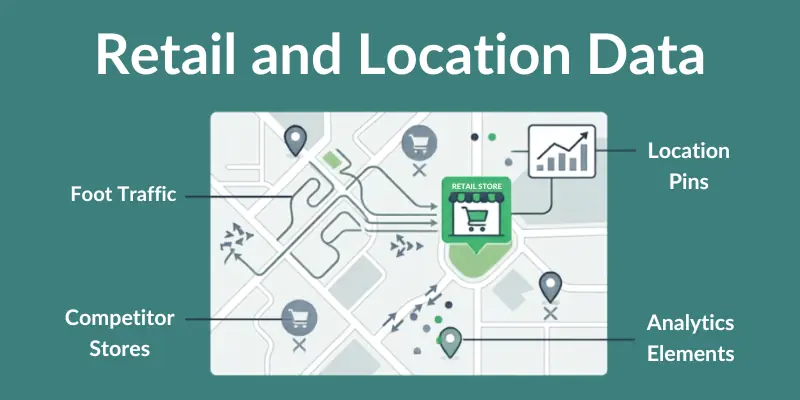
Geolocation data allows retailers to choose store locations strategically. Instead of guessing which area will perform best, businesses analyze foot traffic, nearby competitors, and local trends. This insight helps predict revenue before opening a store, reducing risk and investment mistakes.
Tips:
- Map competitor locations and analyze foot traffic overlaps.
- Use heat maps to visualize which areas attract the most customers.
- Track returning visitors to understand loyal customer hotspots.
- Combine demographic data with location data to predict buying behavior.
Expert Tip: Platforms like Placer.ai provide detailed visitor analytics. Major brands such as Walmart and Target use this to decide where new stores will thrive, ensuring every lease is a calculated decision.
2. Location-Based Marketing
Location-based marketing targets consumers in specific areas, making campaigns highly relevant. Businesses can link geolocation with user behavior, purchase history, and demographics to deliver messages that feel personal. This approach reduces wasted spend and increases engagement.
Tips:
- Segment audiences by neighborhood, zip code, or city.
- Time campaigns based on peak activity hours in a location.
- Adjust messages according to local events or seasonal trends.
- Track real-time engagement to optimize ad placement instantly.
Expert Tip: Companies like LawRank use geolocation to identify zones with the highest audience response, helping marketers deliver content that truly resonates, instead of relying on generic mass campaigns.
3. Geospatial Insights for Outdoors
Outdoor advertising works smarter with geospatial insights. Businesses can see who is exposed to a billboard, when, and how often. This allows them to tailor messages for different times of day or demographic groups, increasing the effectiveness of campaigns.
Tips:
- Measure audience exposure along highways, busy streets, and city centers.
- Rotate ad content for different times of day to match traffic patterns.
- Combine outdoor insights with mobile engagement data for precise targeting.
- Use geofencing to trigger mobile ads when potential customers enter a specific zone.
Expert Tip: Platforms like Geopath provide detailed data on audience behavior and exposure. This ensures every outdoor ad is strategically placed, making investment in billboards measurable and accountable.
4. Indoor Navigation and Tracking
GPS signals are weak indoors, but indoor positioning systems fill the gap. Airports, hospitals, malls, and large stores can guide visitors with meter-level accuracy. Businesses can also push notifications with promotions or instructions as users move through spaces, improving engagement.
Tips:
- Highlight high-traffic zones and guide customers to featured products.
- Offer context-aware promotions when users are near specific areas.
- Analyze traffic patterns to optimize store layouts or service paths.
- Use indoor navigation to assist visitors in large or complex facilities.
Expert Tip: Retailers like The Home Depot use indoor tracking to show customers exactly where products are located. This improves user experience, increases sales, and reduces time spent searching.

5. Fraud and Crime Prevention
Geolocation is a powerful tool for digital security. Banks and online platforms check if the transaction location matches the user’s device. Suspicious activity, such as a credit card swipe in a distant city while the phone is local, can be blocked instantly.
Tips:
- Use IP geolocation API to identify high-risk regions or proxies.
- Combine location data with behavioral analytics to detect anomalies.
- Monitor unusual login patterns or repeated failed attempts.
- Implement location-based alerts for critical transactions.
Expert Tip: Real-time location verification prevents fraud and builds customer trust. It ensures only legitimate transactions succeed while minimizing false blocks or inconveniences.
6. Healthcare and Location Tech
Geolocation improves efficiency and safety in healthcare. Hospitals track staff, patients, and equipment indoors to save time. Emergency apps and wearable devices can send precise coordinates, enabling faster response during critical situations.
Tips:
- Track medical equipment to reduce search time and improve workflow.
- Enable emergency responders to access precise GPS coordinates.
- Monitor wearable alerts for immediate assistance in high-risk scenarios.
- Use location tracking for scheduling and staff allocation in large facilities.
Expert Tip: Wearables like Apple Watch detect falls or emergencies, sending coordinates automatically to responders. This use of location data reduces response time and can save lives.

7. Logistics and Asset Tracking
In logistics, geolocation gives real-time visibility into shipments, vehicles, and assets. This ensures timely deliveries, improves customer experience, and protects assets from theft or loss. Companies can reroute shipments, manage delays, and optimize fleet usage.
Tips:
- Update routes in real time based on traffic or weather conditions.
- Track high-value assets to prevent theft and misuse.
- Provide customers with accurate delivery updates and estimated arrival times.
- Use historical location data to optimize delivery schedules and reduce costs.
Expert Tip: Real-time tracking improves operational efficiency, reduces delivery delays, and builds customer trust, which is essential in the on-demand economy.
Benefits of Using Geolocation Data for Technology Business
You have learned how to use geolocation data for tech business. Now let me guide you through the benefits it brings.
Here are the key advantages:
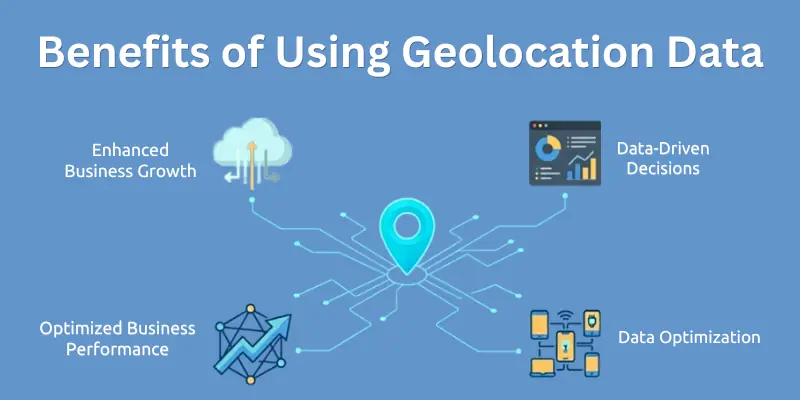
- Better Decision-Making: Geolocation data shows real-world patterns of customers and competitors, helping you make smart business choices. It reduces guesswork when expanding or launching new services.
- Targeted Marketing: Businesses can deliver ads and offers to the right people at the right place, increasing engagement and sales. Customers see only relevant promotions, not random ads.
- Improved Customer Experience: Location insights allow personalized interactions, faster service, and accurate delivery information. Customers feel understood and supported, boosting loyalty.
- Enhanced Operational Efficiency: Geolocation helps track assets, deliveries, and staff in real time. This reduces delays, saves costs, and optimizes workflows.
- Fraud Prevention and Security: Businesses can verify transactions and user activity based on location, reducing fraud risk. Customers trust your brand when their data and payments are secure.
- Data-Driven Growth: Companies can analyze foot traffic, user behavior, and trends over time. This helps plan expansions, campaigns, or product launches with confidence.
- Emergency Response & Safety: For healthcare or service businesses, location tracking ensures faster response times in critical situations. Lives and resources are protected with precise geolocation.
Final Thoughts
In this article, we have covered how to use geolocation data for tech business in great detail, including its practical applications and benefits. Geolocation is no longer just a tool, it is a strategic asset that can improve decision-making, enhance customer experience, boost marketing effectiveness, and optimize operations.
Personal Recommendation: Start small by integrating geolocation into one area of your business, such as marketing or delivery tracking. Once you see the results, expand its use to other areas for maximum impact.
If you want to explore more practical insights, check out our FAQs to get answers to common questions and tips for using geolocation data effectively.
FAQs
Here are some of the most frequently asked questions related to how to use geolocation data for tech business:
Geolocation data shows the exact location of a person or device. Businesses use it to understand where customers go and what they like. It helps plan stores, services, and marketing. This makes business decisions smarter and faster.
Geolocation technology tracks locations using GPS, Wi‑Fi, or mobile signals. Companies use it to manage deliveries, find assets, and serve customers faster. It reduces mistakes and saves time. This helps businesses run smoothly every day.
Location-based services give users useful info based on their location. Apps can show nearby offers, directions, or alerts. Businesses reach the right people at the right time. This improves customer experience and engagement.
Geolocation analytics turns location data into useful insights. Companies can see customer patterns, busy areas, and peak times. This helps plan marketing, staffing, and routes. It makes business decisions more accurate.
Business location data shows where customers spend time and where competitors are. Companies can find new markets with high demand. It reduces risk when opening stores or launching services. This helps grow the business successfully.
Geolocation tools include maps, tracking apps, and dashboards. They help businesses follow users, track assets, and analyze patterns. Startups and big firms use them to improve service. They turn location data into useful action.
Location tracking technology checks where users are during payments or logins. If the location is unusual, it blocks possible fraud. This keeps accounts safe and builds trust. Customers feel secure using these services.
Geospatial data includes maps, coordinates, and locations of things. Companies use it to plan routes, delivery zones, and marketing areas. It helps save time and money. Planning becomes easier and smarter.
Geolocation applications include delivery tracking, indoor navigation, and local marketing. Companies use them to guide users and provide offers. It makes services faster and more accurate. Customers get what they need quickly.
Location intelligence combines location data and insights. It shows where opportunities and problems are. Businesses can plan better campaigns and services. This helps them stay ahead of competitors.
- ✔ Be Respectful
- ✔ Stay Relevant
- ✔ Stay Positive
- ✔ True Feedback
- ✔ Encourage Discussion
- ❌ Avoid Spamming
- ❌ No Fake News
- ❌ Don't Copy-Paste
- ❌ No Personal Attacks