
Difference between Guest Posts & Niche Edits: Comparison Guide
Imagine having two powerful SEO tools in your hands, but only one can best suit your strategy. That’s the problem many website owners face when deciding between guest posts and niche edits.
Both options can build links and boost authority, yet each works in a distinct way.
So, guys, to clear up this confusion, I have designed this blog post to cover the detailed difference between guest posts and niche edits and which is the better approach.
Let’s start by understanding the basics of both guest posts and niche edits. After clearing this up, we will move to the key comparison of niche edits and guest posts.
What Are Guest Posts?
A guest post is an article you write for someone else’s website. You don’t post it on your own site. You write it for another site.
Example: Suppose you know a lot about SEO (Search Engine Optimization). You write a guest post about “SEO Parts” for an SEO website. In your post, you link to your website. Readers of the SEO website can click the link to visit your website.
Steps for Guest Posting:
- Find a Website: First, look for a website that talks about things you know.
- Ask for a Guest Post Spot: Contact the site owner and ask if you can write a guest post.
- Write the Article: Write a good article. Make sure it is helpful and interesting.
- Add Your Link: Add a link to your website in the article.
- Submit and Wait: Send your article to the website owner. They will check it. They may post it if they like it.
What Are Niche Edits?
A niche edit is different from a guest post. You do not write a whole article for niche edits. Instead, you find an article that is already on a website. Then, you ask to add a link to that article. You don’t write new content; you add your link to content that already exists. This link directs readers to your site.
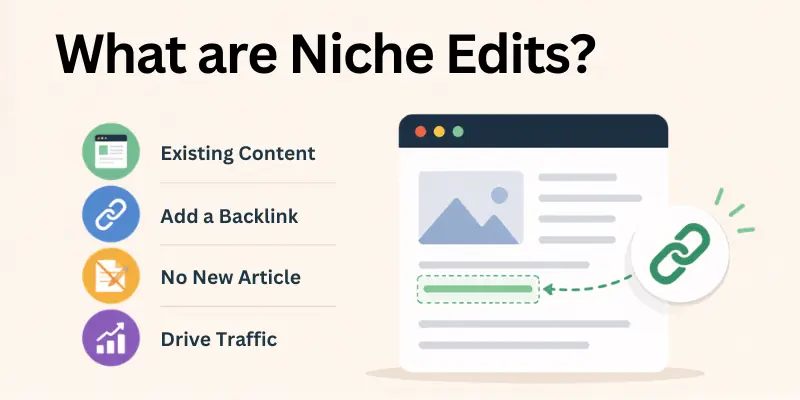
Example: You find an article about healthy food on a health website. The article talks about foods that are good for the heart. You have a website that sells healthy snacks. You ask the site owner if you can add your link. They agree, so you add a link to your website in the article. Readers can now visit your site to learn more about your snacks.
Steps for Niche Edits:
- Find a Good Article: First, find an article on a site that matches your topic.
- Ask for a Link: Contact the site owner and ask if you can add your link.
- Insert Your Link: If they agree, you add your link to the article.
- Check for Approval: The site owner will check the link. Then, they post it if it’s okay.
Key Differences Between Guest Posts vs. Niche Edits
Let’s dive into the key differences between guest posts and niche edits so you can understand each one better.
1. Content Creation
Here is the content creation difference:
Guest Posts:
- For a guest post, you write a new article from scratch. You decide the topic, gather ideas, and write every sentence yourself. This means you create the content with care and thought, ensuring it is informative and interesting.
- Writing a guest post takes time because you must make it good for the readers on the other website. You also need to add a link to your site within this article, usually in a natural way that fits the topic. This makes it easier for readers to want to click on your link and visit your site.
Niche Edits:
- With a niche edit, you do not need to write a new article. Instead, you find a website that already has an article related to your topic. You contact the website owner and ask if they will add a link to your site within their existing article.
- This method takes less time because the content is already there. You simply add your link to an article that already has readers. This is a fast way to get people interested in your site without creating new content.
2. Control Over Content
Here is the difference between both regarding the control cover content:
Guest Posts:
- With guest posts, you control the article’s information. You decide every detail, from the title to the conclusion. This control allows you to write content that best supports your link. You can include facts, tips, or examples that lead readers to your website.
- Since you wrote the article, it reflects your knowledge and style. Readers will see
Niche Edits:
- In niche edits, you have less control over the content because someone else already wrote the article. You can only add your link. Another writer created the words, style, and examples, so you have to trust their content.
- Even though you don’t control the article, you choose where to add your link. Make sure it fits naturally. This way, readers will find the link useful, and it will seem like a good fit with the article.

3. Time Required
Here is the difference regarding the time required for both niche edits and guest posts:
Guest Posts:
- Writing a guest post takes more time. You must plan, write, and edit the article. After you finish, the website owner also needs time to review it. Sometimes, they may ask for changes, so it may take even longer.
- The process can take days or even weeks, depending on the website’s requirements and the topic. This time investment means you need to be patient and prepared to work hard on the content.
Niche Edits:
- Niche edits are quicker. Since you are adding a link to an existing article, you save time on writing. You just need to find a good article, contact the website owner, and agree on where to add the link.
- Once the owner approves, the link can go live quickly. This speed makes niche edits a popular choice for people who want fast results without writing new content.
4. Cost
Here is the price difference between both:
Guest Posts:
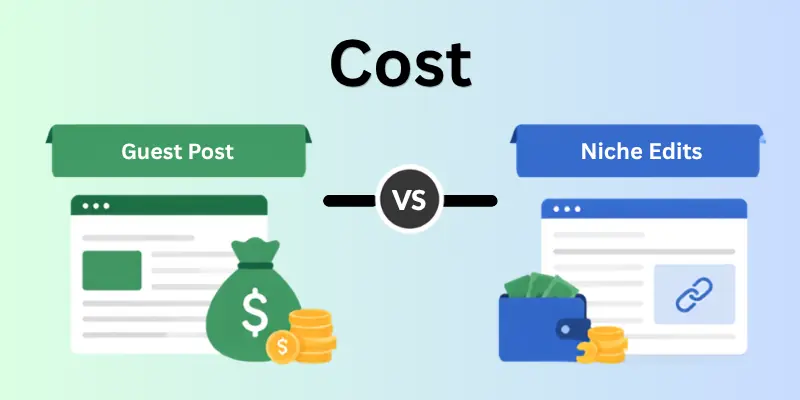
- Guest posts can be more expensive. You pay for the time and effort to write a good article. If you hire someone to write it, you may spend even more. Some websites also charge a fee for guest posts, especially if they have many readers.
- This investment is worth it for some people because a guest post can bring in more visitors and showcase their expertise.
Niche Edits:
- Niche edits usually cost less. Since there’s no new content, it’s cheaper to add a link than to write a full article. Some websites might charge a small fee for niche edits, but it’s often less than guest posting fees.
- This makes niche edits a budget-friendly option for people who want links but don’t want to spend too much.
Which One Should You Choose?
Both guest posts and niche edits have their strengths. Your choice depends on your goals, budget, and how quickly you want results.
Choose Guest Posts If:
- You want to control the content and show your expertise.
- You have the time to write an article that readers will enjoy.
- You are ready to invest more money for long-term growth.
Choose Niche Edits If:
- You want quick results without spending time writing new content.
- You are working with a smaller budget.
- You want to build links on articles that already attract readers.

SEO Benefits: Guest Posts vs. Niche Edits
Both guest posts and niche edits help improve SEO, but they work differently.
Guest Posts and SEO
- Long-term Value: New content can continue attracting readers over time.
- High Authority: Popular websites with high authority can boost your website’s trust level in search engines.
Niche Edits and SEO
- Quick Link Profile Improvement: Adding links in existing articles improves your link profile quickly.
- Immediate Relevance: Links in popular articles can bring readers to your site right away.
Pros and Cons of Guest Posts
Here are some of the major advantages and disadvantages of guest posting:
Advantages of Guest Posting
- Build Brand Authority: Writing on a popular site shows people you’re an expert.
- New Audience: Guest posts reach people who may not know your website yet.
- Content Control: You decide the details in the article that can improve its quality.
Disadvantages of Guest Posting
- More Time and Effort: Writing a new article takes planning, writing, and editing.
- Approval Process: The website owner might need changes, which can delay publishing.
Pros and Cons of Niche Edits
Here are some of the major advantages and disadvantages of niche edits:
Advantages of Niche Edits
- Faster Results: You don’t need to write an article, so the process is quicker.
- Quick Approvals: Because no new content is involved, niche edits often get approved faster.
- Lower Effort: Niche edits require less work since no writing is needed.
Disadvantages of Niche Edits
- Less Content Control: The article belongs to someone else, so you can’t change anything.
- Potentially Lower Impact: If the article is old or less popular, fewer people may see your link.
Risks and Challenges: Guest Posts vs. Niche Edits
Here are some of the main risks associated with both:
For Guest Posts
- Risk of Rejection: The website owner may reject or request changes to your article.
- Content Relevance: Your article must be highly relevant, or readers may not engage with it.
For Niche Edits
- Content Alignment: Your link must fit naturally into the article. If it doesn’t, it might confuse readers.
- Risk of Penalties: Links that don’t fit well may get penalized by search engines. This can lower your website ranking.
Best Practice for Using Guest Posts and Niche Edits
Using both guest posts and niche edits together creates a balanced link-building strategy. Here are some best practices:
- Mix Methods: Use guest posts to build authority and niche edits for quick results.
- Choose Quality Sites: Only work with websites that are relevant and trusted.
- Track Results: See which method brings more visitors and adjust your strategy.
Example Strategy: Write a few guest posts on popular sites to build your reputation. Then, use niche edits on well-read articles to bring in readers faster.
Conclusion
So, guys, it’s time to wrap up. In this article, we’ve covered Guest Posts vs. Niche Edits in detail.
From my experience, guest posts are excellent for long-term branding and authority, especially if you have the time to create original content. However, if you need faster results or have limited resources, niche edits are a great shortcut to building links. Both strategies can bring success if used correctly.
What are your thoughts? Leave a comment below and tell us which approach you find most appealing!
FAQs
Here are some of the most frequently asked questions related to the guest post and niche edit:
Think about your goals. If you want more control and visibility, guest posts are ideal. But if you’re looking for a quick link boost, niche edits can work well.
Yes, but they work differently. Guest posts involve writing new content for another site, while niche edits place your link in content that’s already live. Both add value, but each suits different needs.
Niche edits usually bring faster results because they use existing content. Guest posts take time since you have to create and get new content approved. However, both can improve your SEO if done right.
Niche edits can be safe if you choose high-quality websites that fit your topic. Avoid low-quality sites to prevent issues. Always check the site’s relevance and reputation first.
Yes, guest posts generally need more effort. You’ll create a new article and ensure it matches the host site's guidelines. Niche edits require less work since they use content that’s already there.
Costs can vary, but niche edits are often more affordable because they don’t need new content. Guest posts may cost more due to content creation and publication fees. Always compare costs based on your needs.
Not directly, but each method affects how your brand appears. Guest posts offer more control over messaging, which can enhance your brand. Niche edits might be less noticeable but still improve SEO.
Yes, good writing is important for guest posts to appeal to the host site’s audience. You can also hire writers if needed. Writing isn’t usually required for niche edits since no new content is created.
Yes, using both can be very effective! Guest posts build your brand, and niche edits strengthen your link profile quickly. Combining them can create a balanced link-building strategy.
Yes, poor-quality links from either method can harm your SEO. Stick to reputable, relevant sites for guest posts and niche edits. Quality always matters more than quantity in link-building.
- ✔ Be Respectful
- ✔ Stay Relevant
- ✔ Stay Positive
- ✔ True Feedback
- ✔ Encourage Discussion
- ❌ Avoid Spamming
- ❌ No Fake News
- ❌ Don't Copy-Paste
- ❌ No Personal Attacks