
How to Fix the Portfolio Gap: 10 Expert Steps Guide
In today’s digital job market, your portfolio is more important than ever. It is not just a collection of your work but a direct reflection of your skills, experience, and professional identity. Many people struggle to get jobs or freelance clients even when they have good skills because their portfolio is weak, outdated, or incomplete. This mismatch between skills and presentation is known as a portfolio gap.
From my experience, I have seen that even highly skilled professionals lose opportunities due to poor portfolio structure and lack of updates. A strong portfolio is not about quantity, but about quality, clarity, and real-world results. If your portfolio does not match industry expectations, it creates doubt in the mind of employers.
In this guide, I will explain how to fix the portfolio gap step by step in a very practical and expert way.
Key Steps to Fix Portfolio Gap
Here are ten steps that can help you fix your portfolio gap easily:
- Step 1: Analyze Your Current Portfolio
- Step 2: Identify Skill and Content Gaps
- Step 3: Remove Outdated or Weak Projects
- Step 4: Upgrade Existing Projects
- Step 5: Build Real-World Projects
- Step 6: Improve Portfolio Structure and Design
- Step 7: Learn New Skills and Tools
- Step 8: Add Results and Performance Data
- Step 9: Use Technology to Fix Portfolio Gap
- Step 10: Keep Your Portfolio Updated Regularly
Let’s learn about them in detail.
Step 1: Analyze Your Current Portfolio
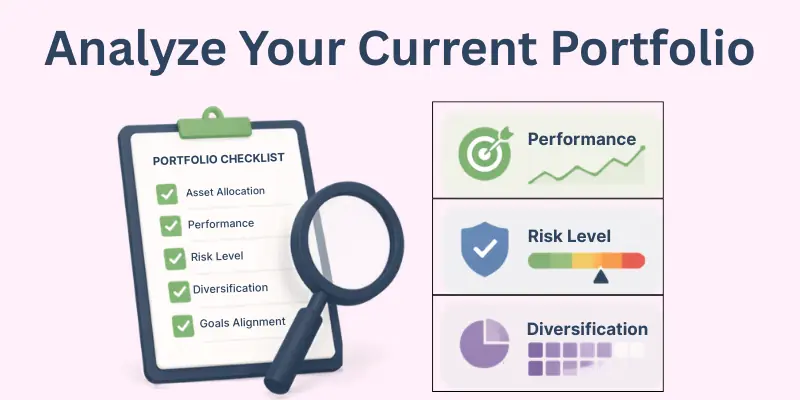
The first step in fixing your portfolio gap is to carefully analyze what you already have. Many people skip this step and directly start adding new projects, which leads to confusion. You must understand what is missing, outdated, or weak in your current portfolio. I personally recommend comparing your portfolio with industry leaders. This helps you see the gap clearly.
What to do:
- Review all existing projects
- Check presentation quality
- Compare with industry standards
- Identify missing skills
- Note weak areas
Step 2: Identify Skill and Content Gaps
Once you analyze your portfolio, the next step is identifying skill gaps. This means checking whether your portfolio reflects your current abilities. Many professionals know more than what they actually show. I believe this is one of the biggest reasons for missed opportunities. You must align your skills with your portfolio content.
Key focus areas:
- Missing technical skills
- Outdated tools or software
- Lack of real examples
- Weak documentation
- No industry relevance
Step 3: Remove Outdated or Weak Projects
An important step is removing work that no longer represents your level. Outdated or low-quality projects can reduce your credibility. I personally suggest keeping only your best and most relevant work. A clean portfolio always performs better than a crowded one. Quality matters more than quantity.
What to remove:
- Old or irrelevant projects
- Low-quality work
- Repeated similar projects
- Unfinished work
- Non-professional examples
Step 4: Upgrade Existing Projects
Instead of deleting everything, you can also improve old projects. Many people underestimate the power of upgrading existing work. You can enhance design, add features, or improve results presentation. I always recommend treating old projects as a foundation for improvement. This saves time and increases value.
Improvement ideas:
- Modernize design
- Add better visuals
- Include new features
- Improve explanations
- Add measurable results

Step 5: Build Real-World Projects
A strong portfolio must include real-world projects that solve actual problems. Employers want proof that you can apply your skills in practical situations. I personally believe this is the most important part of fixing a portfolio gap. Real projects show your thinking and execution ability.
Project ideas:
- Client-based projects
- Freelance assignments
- Personal problem-solving projects
- Case studies
- Industry-related simulations
Step 6: Improve Portfolio Structure and Design
Even good work can look weak if your portfolio is not well organized. Structure and design play a major role in first impressions. I recommend keeping everything simple, clean, and easy to navigate. A confusing portfolio can reduce your chances instantly.
Structure tips:
- Simple homepage layout
- Clear project sections
- Short descriptions
- Visual presentation
- Easy contact details

Step 7: Learn New Skills and Tools
To fix a portfolio gap, continuous learning is very important. Industries change fast, and outdated skills reduce your value. I personally suggest focusing on practical skills that are in demand. Learning new tools helps you create better and more advanced projects.
Skills to focus on:
- Industry-specific tools
- Technical skills
- Design or coding skills
- Analytics and data tools
- Communication skills
Step 8: Add Results and Performance Data
A strong portfolio always shows results, not just work. Numbers and performance metrics make your work more trustworthy. I always advise adding measurable outcomes wherever possible. This helps employers understand your impact clearly.
What to include:
- Growth percentages
- Client feedback
- Performance improvements
- Traffic or engagement data
- Business results
Step 9: Use Technology to Fix Portfolio Gap
Technology plays a powerful role in improving portfolios today. Modern tools allow you to design, build, and showcase your work professionally. AI tools can help improve writing, design, and content structure. Even translation and localization services like Tomedes can help professionals present their portfolio globally in a more polished way. I personally believe technology has made it easier than ever to fix portfolio gaps quickly and effectively.
Helpful tools:
- Portfolio builders (Wix, Webflow, WordPress)
- AI design and writing tools
- Analytics tools
- Cloud storage platforms
- Design software like Figma and Canva
Step 10: Keep Your Portfolio Updated Regularly
A portfolio is not a one-time task. It must be updated regularly as your skills grow. Many people fix their portfolio once and forget about it, which creates another gap over time. I recommend reviewing your portfolio every few months. This ensures your work always matches current industry trends.
Maintenance tips:
- Add new projects regularly
- Remove outdated content
- Update skills section
- Improve design over time
- Track your professional growth
Common Mistakes That Create Portfolio Gap
Many people unknowingly make mistakes that weaken their portfolio. These mistakes make their work look outdated or unprofessional. I have seen this problem in beginners and even experienced professionals. Avoiding these mistakes can instantly improve your profile. Awareness is the first step toward fixing them.
Common mistakes:
- Not updating portfolio regularly
- Showing only theoretical work
- Poor design and structure
- No measurable results
- Ignoring industry trends
How to Maintain a Strong Portfolio
Fixing the portfolio gap is not a one-time task. You must maintain and update your portfolio regularly. I recommend reviewing your portfolio every few months. This ensures your work always matches current industry standards. A strong portfolio is always evolving.
Maintenance tips:
- Add new projects regularly
- Remove outdated work
- Improve design over time
- Update skills section
- Track your progress
Conclusion
In this guide we have covered how to fix the portfolio gap step by step in a detailed and practical way. You now understand how to analyze, improve, and rebuild your portfolio effectively. A strong portfolio is one of the most powerful tools for career growth in today’s digital world.
My personal recommendation is to treat your portfolio as your personal brand. Keep improving it continuously and focus on real-world results. Stay consistent, learn new skills, and always present your best work. This is how you close the portfolio gap and build a strong professional identity.
Thank you for reading this guide.
FAQs
Here are some of the most commonly asked questions related to how to fix the portfolio gap:
A portfolio gap is when your portfolio does not match your real skills or industry standards. It usually happens when work is outdated or incomplete. This gap can reduce your chances of getting jobs or clients.
Fixing the portfolio gap is important because employers judge your skills based on your portfolio. A strong portfolio increases trust and improves job opportunities. It also shows your real experience and abilities clearly.
You can fix the portfolio gap by updating old projects, adding real-world work, and learning new skills. Focus on quality instead of quantity. Keep your portfolio clean, simple, and professional.
The best steps include analyzing your portfolio, removing weak projects, upgrading work, and adding real results. You should also improve design and keep updating regularly. These steps help build a strong professional profile.
Technology helps you build better portfolios using online tools, AI platforms, and design software. Services like Tomedes also help improve content quality and presentation for global reach. This makes your portfolio more professional and modern.
Common mistakes include not updating work, showing only theory, poor design, and lack of real projects. These mistakes make your portfolio look weak. Avoiding them helps you stay competitive.
Each few months, you should make sure that your portfolio is up to date. Your work will remain current and relevant if you use regular updates. This also demonstrates that learning and improvement are ongoing processes.
A strong portfolio includes real projects, clear structure, updated skills, and measurable results. It should be simple, clean, and easy to understand. It must also reflect your current abilities.
Yes, it is possible for beginners to fill in a gap in their portfolio by beginning small projects and acquiring new skills. Even the most basic work in the real world can help them improve their portfolio. Growing is a process that requires consistency.
Yes, a portfolio gap can negatively affect career growth because employers may doubt your skills. Fixing it improves credibility and increases opportunities. A strong portfolio builds trust and confidence.
- ✔ Be Respectful
- ✔ Stay Relevant
- ✔ Stay Positive
- ✔ True Feedback
- ✔ Encourage Discussion
- ❌ Avoid Spamming
- ❌ No Fake News
- ❌ Don't Copy-Paste
- ❌ No Personal Attacks