
How to Upskill Your Marketing Team with 15 Proven Strategies
Improving the capabilities of your marketing department is no longer optional. Brands evolve, platforms change, customer behavior shifts and your team must keep up.
If you are wondering How to Upskill Your Marketing Team, this guide will walk you through every practical step. With the right approach, you can transform your team into a high-performing, future-ready unit.
How to Upskill Your Marketing Team
To make things simple and actionable, here are the 15 best ways to upskill your marketing team.
List of All Methods:
- Create a Personalized Learning Roadmap
- Encourage Cross Functional Collaboration
- Invest in Ongoing Digital Marketing Courses
- Assign Real Projects for Hands On Training
- Build a Culture of Creative Experimentation
- Improve Data Literacy Across Your Team
- Identify What Skills Marketers Need Most
- Promote Peer to Peer Learning
- Provide Access to Updated Marketing Tools
- Conduct Monthly Skill Evaluation Sessions
- Send Your Team to Workshops and Conferences
- Introduce Mentorship Programs
- Rotate Roles for Multi Skill Development
- Reward Skill Growth and Achievements
- Train Your Team on Customer Experience Skills
Let us cover all these in detail.
1. Create a Personalized Learning Roadmap
A personalized roadmap keeps every marketer focused and aligned. It ensures each member develops the skills that support both personal growth and company goals. It also helps identify gaps early so your team is always future ready.
Key Points
- Helps marketers grow at their own pace
- Makes training more structured
- Aligns employee goals with business needs
- Builds clarity and accountability
Each roadmap should include skill goals, timelines and the resources needed to achieve them.
2. Encourage Cross Functional Collaboration
Marketing teams perform better when they understand how other departments work. Collaboration builds perspective and helps marketers make smarter decisions. This approach also strengthens communication, teamwork, and overall employee relations across the organization.
Key Points
- Improves communication
- Strengthens interdepartmental coordination
- Helps the team understand product and customer better
- Increases creativity through shared ideas
Invite other teams such as sales, product, design and customer support for joint sessions.
3. Invest in Ongoing Digital Marketing Courses
Continuous learning is essential because digital platforms change often. Providing access to courses helps your team stay updated and sharp. Regular training also leads to higher job satisfaction.
Key Points
- Helps marketers stay updated
- Provides new technical expertise
- Improves overall performance
- Encourages a learning culture
Encourage your team to complete at least one skill course per quarter.
4. Assign Real Projects for Hands On Training
Practical experience is the fastest way to learn. Give your team small and safe projects where they can test what they learn. This builds both confidence and skill depth.
Key Points
- Builds real world problem solving
- Encourages innovative solutions
- Enhances speed of learning
- Improves skill retention
Start with small campaigns, mini research tasks or internal marketing projects.
5. Build a Culture of Creative Experimentation
Creativity grows when people feel safe to test new ideas. Let your team experiment with formats, messages and strategies. This leads to fresh outcomes and stronger campaigns.
Key Points
- Sparks innovation
- Encourages independent thinking
- Helps discover new trends
- Improves campaign results
Set aside weekly or monthly experimentation hours.
6. Improve Data Literacy Across Your Team
Modern marketing is data driven. Your team should understand analytics, performance metrics and customer insights.
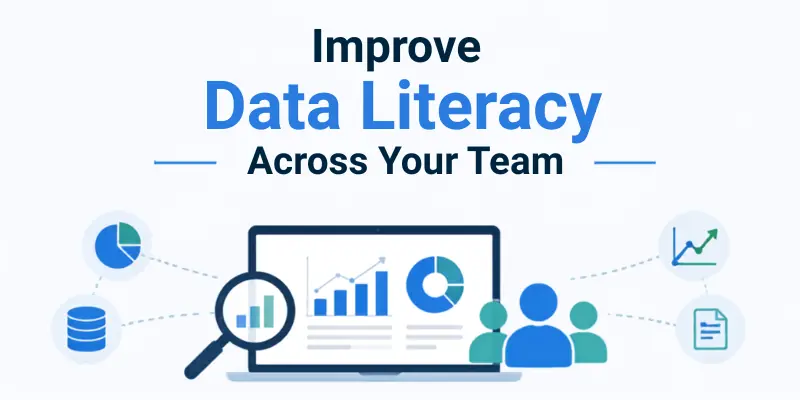
Data literacy leads to better decision making.
Key Points
- Enhances campaign accuracy
- Helps in understanding customer behavior
- Improves ROI
- Reduces guesswork
Provide analytics tools and internal data sessions to strengthen this skill.
7. Identify What Skills Marketers Need Most
To truly understand what skills marketers need most, you must track current performance and future industry trends. This ensures training focuses on the skills that bring the highest impact.
Key Points
- Helps prioritize high value learning
- Aligns training with industry demands
- Reduces irrelevant learning
- Speeds up team transformation
This analysis should be done at least twice a year.

8. Promote Peer to Peer Learning
Your team learns faster when they teach each other. Peer sessions build knowledge sharing habits and improve teamwork. They also help new team members adapt quickly.
Key Points
- Builds a supportive learning culture
- Encourages collaboration
- Spreads expertise internally
- Reduces training cost
Weekly or biweekly learning circles work perfectly.
9. Provide Access to Updated Marketing Tools
Tools help marketers work faster and better. Giving your team access to modern platforms boosts productivity and creativity. It also reduces frustration caused by outdated systems.
Key Points
- Increases efficiency
- Helps with automation
- Supports data accuracy
- Improves content quality
Offer training for each tool so your team uses them effectively.
10. Conduct Monthly Skill Evaluation Sessions
Regular evaluations help you measure progress and spot gaps. These sessions should be supportive instead of stressful. The goal is improvement, not pressure.
Key Points
- Tracks individual progress
- Identifies new skill gaps
- Helps refine training plans
- Encourages continuous learning
Document insights for future training cycles.
11. Send Your Team to Workshops and Conferences
Real world exposure builds stronger professionals. Workshops and conferences introduce new trends, tools and ideas. They also help marketers network with experts.
Key Points
- Provides industry exposure
- Brings fresh insights
- Improves confidence
- Strengthens team knowledge
Try sending at least one team representative per major event.
12. Introduce Mentorship Programs
Mentorship accelerates growth. Pairing juniors with seniors builds knowledge flow and confidence. Mentorship also improves career satisfaction.
Key Points
- Strengthens internal guidance
- Improves leadership skills
- Helps juniors grow faster
- Encourages relationship building
Schedule monthly check ins for each pair.

13. Rotate Roles for Multi Skill Development
Role rotation helps team members understand different areas of marketing.
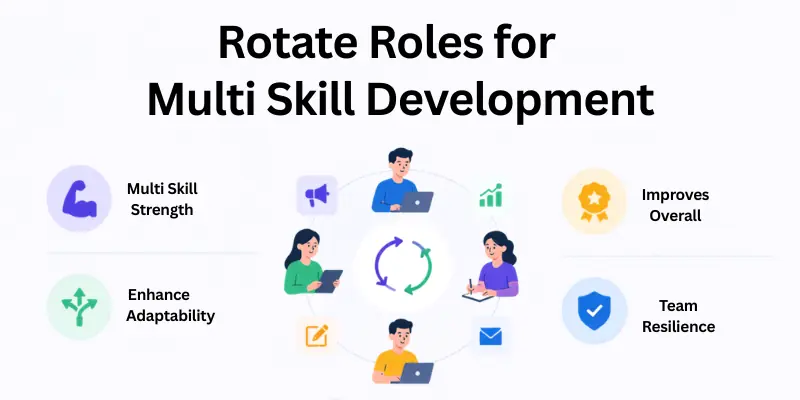
It builds flexibility and protects your company when someone is unavailable.
Key Points
- Builds multi skill strength
- Enhances adaptability
- Improves overall marketing quality
- Increases team resilience
Rotate roles quarterly or every six months.
14. Reward Skill Growth and Achievements
Recognition motivates people. When your team sees their learning appreciated, they naturally grow faster. Rewards can be simple yet meaningful.
Key Points
- Boosts motivation
- Encourages continuous learning
- Improves retention
- Builds a positive work culture
Use certificates, appreciation notes or small bonuses.
15. Train Your Team on Customer Experience Skills
Marketing is incomplete without customer understanding. Training on customer psychology, behavior and expectations helps your team create better campaigns.
Key Points
- Improves customer centric decisions
- Creates stronger content
- Enhances brand experience
- Strengthens campaign performance
Make customer feedback part of your training routine.
Why Upskilling Matters More Than Ever
The marketing landscape is evolving at incredible speed. New platforms appear, customer expectations change and data driven approaches dominate. If your team stays still, your brand falls behind. Upskilling protects your business future and gives your marketers the confidence to innovate.
Why Upskilling Matters
- Builds a future ready team
- Improves campaign performance
- Increases employee confidence
- Strengthens brand growth
- Reduces dependency on external agencies
- Enhances creativity and innovation
Upskilling is one of the smartest investments you can make today.
Level Up Your Marketing Team
It doesn't have to cost a lot of money to give your marketing team more skills. You don't have to spend a lot of money to make your team better and more adaptable. Use free resources, encourage peer learning, and work with vendors to help them get better at what they already do well.
Remember that you have an edge over others when you learn new things all the time. Even small, slow changes can make a big difference in how well a campaign works and how long people stay with the company.
Are you ready to begin? Do a simple skills audit and focus on the biggest gaps to begin.
Final Note
In this guide, we have covered everything you need to know about How to Upskill Your Marketing Team, including practical methods, must follow strategies and the most important skills to focus on. With consistent effort, your marketing team will become stronger, smarter and more impactful.
- ✔ Be Respectful
- ✔ Stay Relevant
- ✔ Stay Positive
- ✔ True Feedback
- ✔ Encourage Discussion
- ❌ Avoid Spamming
- ❌ No Fake News
- ❌ Don't Copy-Paste
- ❌ No Personal Attacks